
Central Auditory Processing Disorder (CAPD)
Central Auditory Processing Disorder
The ears pick up sounds, but it’s the brain that actually makes sense of them. Some children have conditions like Central Auditory Processing Disorder (CAPD), where their hearing is normal, but their brain has trouble turning sounds into meaningful language. This means they might not fully understand what’s being said, even if they seem to be listening. In busy or noisy places, like classrooms or homes, these kids can struggle even more. Sometimes they only catch parts of conversations, or they might act like they understand but quickly lose track of what’s going on, especially when several people are talking at once.
How can a psychologist help someone with CAPD?
A psychologist can play a significant role in helping a child with Central Auditory Processing Disorder (CAPD) by providing comprehensive support that addresses the emotional, social, and cognitive aspects of the disorder.
First, psychologists are often involved in the multidisciplinary assessment of CAPD, working alongside audiologists and speech-language pathologists to rule out or address overlapping issues such as attention deficits, language disorders, and emotional or behavioural concerns. This ensures the child’s difficulties are not solely attributed to auditory processing issues and that interventions are tailored to the child’s full profile of needs (International Journal of Audiology; Taylor & Francis).
Psychologists help children with CAPD develop coping strategies for classroom and social situations, such as problem-solving skills, self-advocacy, and emotional regulation. CAPD can lead to frustration, social withdrawal, or low self-esteem because of difficulties in communication and learning. Psychologists can provide cognitive-behavioral interventions, social skills training, and counselling to address these issues (Frontiers in Neurology; Journal of the American Academy of Audiology).
Additionally, psychologists often collaborate with teachers and families to educate them about CAPD, recommend classroom accommodations, and develop individualised intervention plans that support both academic and psychosocial growth. They may also help children manage stress, develop organisational strategies, and improve attention and working memory, which are commonly impacted in those with CAPD (Comprehensive CAPD Intervention Approaches; UCF Honors Theses).
In summary, psychologists are key in ensuring that children with CAPD receive holistic care, addressing not only their auditory challenges but also their emotional well-being, social integration, and academic success through targeted therapies, advocacy, and collaborative planning.A test for auditory processing disorders
SCAN 3 A test for auditory processing disorders
-
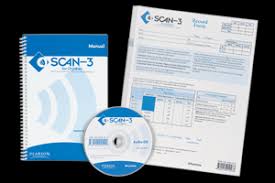
SCAN-3:C (for children): This test is designed for children aged 5 to 12 years (not capped at 11). It's used to identify children with auditory processing disorders (APD) who may benefit from intervention. The test typically takes about 20 minutes to administer. The three main subtests you mentioned—Filtered Words (low-pass filtered words), Auditory Figure-Ground, and Competing Words—are correct. These subtests assess different aspects of auditory processing relevant to APD diagnosis (American Journal of Audiology; PsycNet).
-
SCAN-3:A (for adolescents and adults): This version is for individuals aged 13 and up (the research sample included ages 18–50, but the manual sets the lower limit at 13). The SCAN-3:A includes the same subtests as the children's version, with the addition of the Competing Sentences subtest, which uses competing sentences as stimuli to further evaluate auditory processing abilities (Journal of Psychoeducational Assessment; International Journal of Audiology).
-
Purpose and Utility: Both tests are norm-referenced and designed to help clinicians identify individuals who may have central auditory processing disorders and guide intervention decisions. They are part of a broader battery and not diagnostic by themselves, but provide important screening and assessment data (PsycNet).
Updated on: 21/02/2026 by: Dr. Jacques Duff – BA Psych; Grad Dip Psych; PhD; MAPS; MECNS; MAAAPB; MISNR; FANSA
Reviewed on: 21/02/2026 by: Bernard Ferriere - BA; Grad Dip App Psych; Dip Clinical Hypnosis; FCCP; MAPS; MASH; Clinical Psychologist