
What are the Signs of Childhood Depression
It's normal for children to feel sad now and then, after a disappointment, a loss, or hurtful experiences at school or at home. But depression in children is different from ordinary sadness. It’s persistent, and often includes feelings of hopelessness, worthlessness, and the sense that nothing will ever get better. This state can deeply affect how a child thinks, how they see themselves, and how they view the future. Children with depression may stop participating in activities they once loved and may seem withdrawn from their friends or family (American Family Physician).
Signs and Symptoms of possible Depression in Children
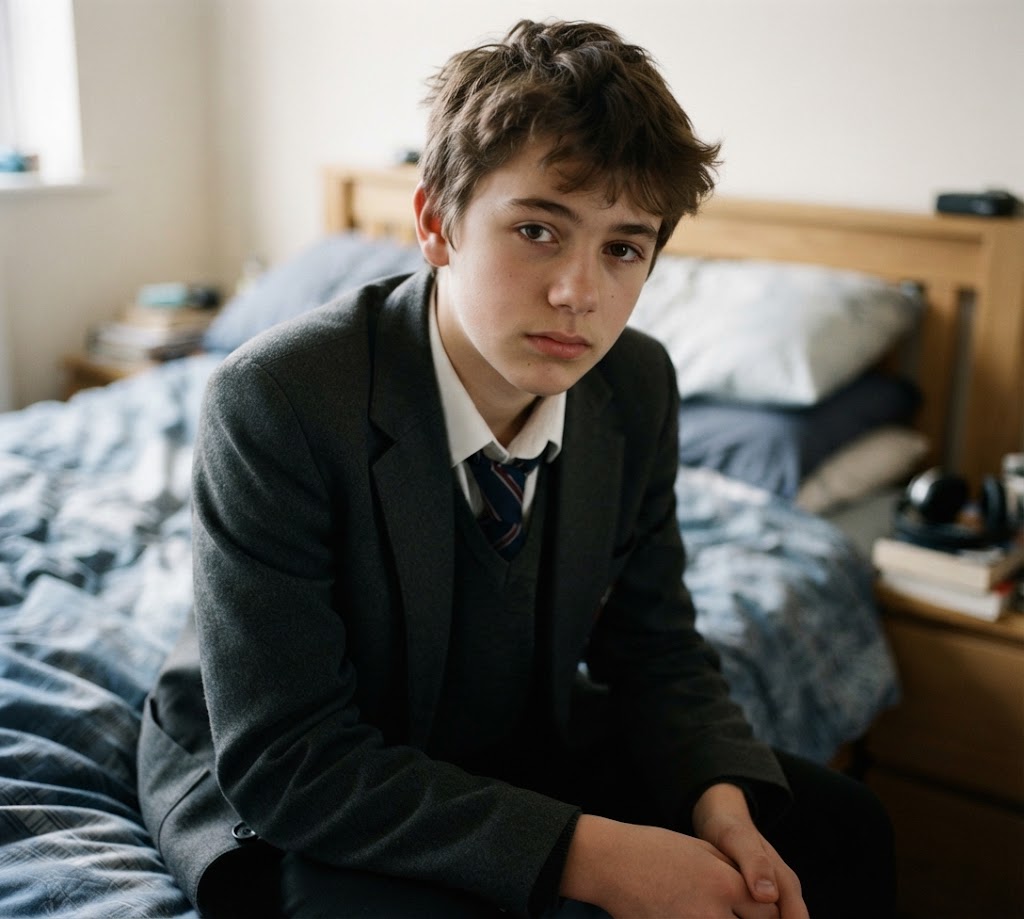
Children with depression often have trouble expressing how they feel, making it important for caregivers to watch for observable signs. The following are signs for concern which should be discussed with a psychologist.
- Increased irritability, agitation, or being easily upset
- Angry outbursts, whether verbal or physical
- Persistent focus on negative outcomes or pessimism
- Procrastination and frequent avoidance of tasks
- Low energy and lack of motivation
- Loss of interest in activities that were previously enjoyed
- Difficulty paying attention or concentrating at home and school
- Withdrawal from friends, family, and social activities
- Frequent or persistent sadness in appearance and demeanour
- Crying easily and difficulty being comforted
- Changes in appetite—either eating much less or much more
- Sleep problems (difficulty falling asleep, staying asleep, restless sleep, or excessive sleep)
- Waking up feeling tired or unrefreshed
- Negative self-talk (e.g., “I’m not good at this,” “You don’t love me,” “I wish I was never born”)
If you or someone you know is experiencing thoughts of suicide or self-harm,
please contact: Lifeline: 13 11 14 (24/7) | Kids Helpline: 1800 55 1800 | Emergency: 000
or present to your nearest emergency department.
What Causes Childhood Depression?
Childhood depression usually results from a combination of factors rather than a single cause. These can include:
- Biological factors: a family history of depression or other mental health conditions, and physical illness or brain injury.
- Psychological factors: co-occurring anxiety or ADHD, which can wear a child down emotionally over time, and adverse childhood experiences.
- Environmental factors: stressful life events such as parental separation, moving house, bullying, family conflict, or the death of someone close to them.
Depression is more common in teenagers than younger children, though it can occur at any age. Symptoms that persist for more than two weeks, or that cluster around specific triggers such as the start of the school week, are more likely to reflect depression than a passing low mood.
How can a psychologist help?
Psychologists are trained to conduct thorough assessments using interviews, standardised questionnaires, and behavioural observations to determine whether a child is experiencing depression. They differentiate depression from other possible issues, such as anxiety or behavioural disorders, and consider factors like family history and environmental stressors. They also will conduct a suicide risk assessment.
Therapeutic Interventions
The mainstay of treatment for childhood depression is psychotherapy. Common approaches include:
- Cognitive Behavioural Therapy (CBT): This evidence-based therapy helps children identify and challenge negative thought patterns, develop healthier ways of thinking, and learn coping skills for managing difficult emotions and situations
- Interpersonal Therapy: Focusses on improving relationships and communication skills, which can help address social withdrawal and resolve conflicts that may contribute to depression.
- Play Therapy (for younger children): Makes use of play and creative activities to help children express emotions they may not have the words for.
Family Support and Education
Psychologists often involve parents and families in the treatment process. They provide guidance on how to support the child at home, improve communication, and reduce conflict. Family sessions can help parents understand depression, recognise warning signs, and respond appropriately to their child’s needs. It’s understandable for parents to feel frustrated by these behaviours, but it’s crucial to avoid blame or punishment.
Monitoring and Prevention
Psychologists monitor progress over time and adjust interventions as needed. They teach children and families strategies to prevent relapse and build resilience, such as stress management techniques, healthy routines, and problem-solving skills.
If a child is at risk of self-harm or suicide, psychologists provide crisis intervention and coordinate with other professionals (such as psychiatrists or paediatricians) to ensure the child’s safety. This may include arranging for emergency care or more intensive treatment if necessary
Taking Childhood Depression Seriously
Childhood depression can have a profound impact on a child’s life and development. Recognising the signs and seeking professional help early makes a significant difference in outcomes and future well-being. If you notice these symptoms in your child, reach out to a qualified mental health professional for guidance and support.
If you'd like to understand depression more broadly, including in adults, see our page on Depression: Types, Causes & Symptoms. Anxiety and depression often occur together — read more on our Panic Attacks and Anxiety Disorders page.
Frequently Asked Questions
How is childhood depression different from normal sadness?+
Can anxiety lead to depression in children?+
At what age can children be diagnosed with depression?+
Is childhood depression treatable?+
Does my child need medication for depression?+
When should I seek professional help for my child?+
Updated on: 28/02/2026 by: Dr. Jacques Duff – BA Psych; Grad Dip Psych; PhD; MAPS; MECNS; MAAAPB; MISNR; FANSA
Reviewed on: 02/03/2026 by: Bernard Ferriere - BA; Grad Dip App Psych; Dip Clinical Hypnosis; FCCP; MAPS; MASH; Clinical Psychologist