
Understanding Post-Concussion Syndrome (PCS)
Post-concussion syndrome (PCS) describes a set of symptoms – attention difficulties, learning difficulties, impulsivity, mood and anger problems, and often headaches and fatigue, that can persist for weeks, months, or in some cases years after a minor closed head injury (a concussion or mild traumatic brain injury). Most people recover within days to weeks of a concussion, but a proportion of people go on to experience longer-lasting symptoms, which is what PCS describes.
Symptoms of Post-Concussion Syndrome
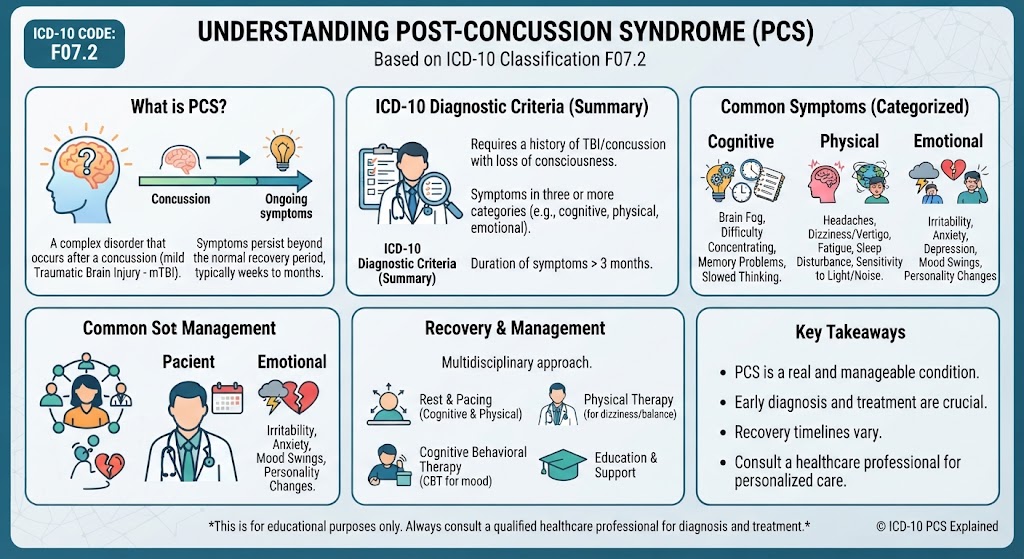
PCS symptoms are wide-ranging and vary from person to person. Commonly reported symptoms include:
- Attention deficits and difficulty concentrating
- Irritability, temper outbursts and mood changes
- Difficulty planning and organising
- Fatigue and low energy
- Impulsivity and reduced self-control
- Learning and memory problems
- Inflexibility and difficulty adapting to change
- Reduced initiative or motivation
- Feelings of dissociation or being “foggy”
- Communication difficulties
- Socially inappropriate behaviour
- Self-centredness or reduced awareness of others’ perspectives
- Physical symptoms – balance problems, dizziness and headaches
- Personality changes noticed by family or friends
Not everyone experiences all of these symptoms, and severity varies considerably. For a general overview of concussion symptoms, the CDC’s HEADS UP resource is a helpful starting point.
Symptoms Have an Organic Basis
Even when standard structural CT or MRI scans appear normal, research using more sensitive imaging, such as cerebral blood flow studies, Quantitative EEG (QEEG) and detailed neuropsychological testing has demonstrated genuine, measurable changes in brain function after concussion. This means PCS symptoms reflect real, organic changes in how the brain is working, even though they are not always visible on routine structural scans.
Why Do Some People Recover Quickly While Others Develop PCS?
The reasons aren’t completely understood, and researchers are still working to explain why two people with a similar injury can have very different recovery paths. Factors that may play a role include:
- The severity of the initial injury
- Nutritional status
- A history of previous concussions
- Age at the time of injury
- Pre-existing mental health history
- Genetic predisposition
Emotional stress can also contribute to how long symptoms persist. This is one of the reasons a thorough assessment matters – it helps identify which factors are contributing in your particular case, rather than assuming a “one size fits all” explanation.
What to Do Next
If symptoms are persisting beyond the expected recovery window, the next step is usually a clinical assessment. See our Assessment of Post-Concussion Syndrome page for how BNC approaches Assessment, and our Treatment of Post-Concussion Syndrome page for how symptoms are managed.
Frequently Asked Questions
What is post-concussion syndrome?+
How long does post-concussion syndrome last?+
Can post-concussion syndrome be seen on a CT or MRI scan?+
Why do some people recover from a concussion quickly while others develop PCS?+
When should I see someone about persistent symptoms after a concussion?+
Updated on: 23/08/2026 by: Dr Jacques Duff – PhD; BA Psych; Grad Dip Applied Psychology; FANSA, Clinical Neuroscientist.
Reviewed on: 23/08/2026 by: Bernard Ferriere – Clinical Psychologist; BA; Grad Dip Applied Psychology; Dip Clinical Hypnosis; MAPS