
Our Mission and Clinical Services for ADHD
Treating the core symptoms of ADHD and associated problems
BNC is a multidisciplinary clinic committed to treating the core symptoms of childhood neurodevelopmental disorders, as well as comorbidities in adolescent and adult mental health disorders. Our team includes licenced health professionals that provide medical, psychological, educational, neuroscientific, and nutritional assessment and treatment services to all ages. We take clients from all over Australia, and overseas. We conduct initial assessments, diagnose, treat, and monitor the progress of clients living with ASD, ADHD, and other mental health disorders.
Treatment and therapy options for ADHD
According to the Australian clinical guidelines for ADHD, best-practice management involves a multimodal approach that addresses both core symptoms and associated psychosocial difficulties. Stimulant medication is recommended as a first-line intervention, given its strong evidence base for reducing ADHD core symptoms and improving functioning. Careful monitoring is necessary, especially in the context of anxiety, as stimulants may exacerbate these symptoms or impact sleep. The guidelines recommend that a multimodal approach is more effective than any single option.
The following image graphically explains the medical and non-medical recommendation from the Australian evidence-based clinical practice guideline for attention deficit hyperactivity disorder:
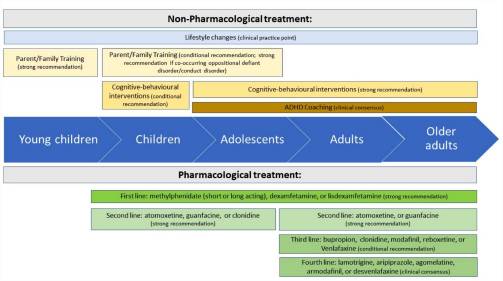
- Medication: Initiate a trial of stimulant or non-stimulant medication, titrated and monitored closely for efficacy and side effects, in line with national guidelines.
- Psychological Intervention: Cognitive behavioural therapy (CBT) to support emotional regulation, address comorbid anxiety and oppositional behaviours, and provide coping strategies for stress.
- Family Involvement: Engage parents in psychoeducation and ongoing support, promoting a collaborative approach to monitoring symptoms, implementing strategies at home, and managing stressors.
- Diet and Nutrition: Referral for a nutritional assessment if presentation suggest possible nutritional deficits (e.g., suboptimal energy, fatigue, focus issues). Dietary interventions should focus on balanced macronutrient and micronutrient intake, regular meals, and, if needed, supplementation under clinical recommendation and professional supervision.
- Lifestyle Modifications: Encourage regular physical activity, consistent sleep routines, structured daily schedules to optimise attention and mood stability and supportive school accommodations and environmental modifications.
Regular follow-up is essential to review symptom progression, treatment response, and emerging needs.
Neurofeedback for ADHD:
We often get asked about Neurofeedback, and this is our position. Australian clinical guidelines for ADHD do not recommend neurofeedback as a first-line treatment. The consensus is that stimulant medication combined with behavioural interventions (like CBT) remains the cornerstone of effective ADHD management due to strong evidence supporting their efficacy.
The guidelines caution that the evidence base for neurofeedback is still emerging and somewhat mixed, with variability in protocols and outcomes across studies. It is typically offered in specialised settings by trained clinicians and should be accompanied by careful monitoring and ongoing assessment. However, neurofeedback may be considered as an adjunct or alternative treatment only in specific situations, such as:
-
When parents or patients prefer non-pharmacological options and
-
If there are contraindications or poor tolerance to stimulant medications.
-
In cases where symptoms persist despite optimised medication and behavioural therapy.
-
As part of a multimodal approach, especially when combined with other interventions like CBT, Diet and lifestyle modifications.
In summary, neurofeedback is not a routine or first-line intervention but can be offered as a supplementary option after thorough discussion of risks, benefits, and alternative treatments, particularly when conventional treatment benefits are insufficient or declined. Other pages on this website explain each of these in turn