




Therapy and Support for Autism Spectrum Disorder (ASD)
The 2023 Autism CRC Guidelines for ASD Therapy and Support
In 2023, Australia released significant updates to its national guidelines for supporting autistic children and their families, with a strong focus on treatment and intervention. The new guidelines, led by Autism CRC, represent the first national, evidence-based framework in Australia that specifically addresses therapy and intervention choices for autistic children.
Key features of the 2023 ASD treatment guidelines:
- Evidence-Based, Individualised Care: (UWA).
- Neurodiversity-Affirming Practice: (Autism CRC).
- Scope of Interventions: The guidelines cover a broad range of interventions (Autism CRC).
Attention deficits in ASD
One of the most common behaviour of children with Autism, is their lack of focus, joint attention, concentration and compliance. These attention deficits are usually treated with stimulant medication and help many children with ASD concentrate. When parents object to medication, and if the child does not respond well to medication, neurofeedback can be used as part of a multimodal program that
Click here for a list of scientific references about QEEG and ASDinclude cognitive, behavioural strategies, parental education, dietary and lifestyle recommendations.
In agreement with the Australian clinical guidelines for ADHD we do not recommend neurofeedback as a stand alone or first line treatment for attention deficits in ASD, but support its use as a complementary option, provided it is part of a multimodal therapy plan and parents are educated about the potential benefits and shortcomings.
QEEG-guided Neurofeedback therapy for ADHD in children with Autism
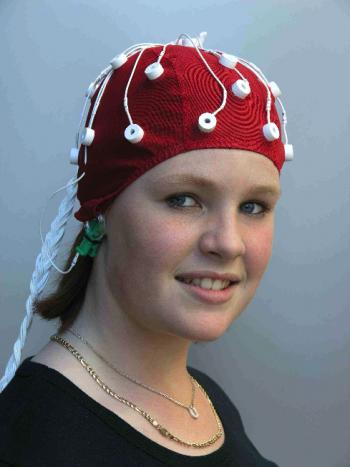
On our page about autism and the brain, we talk about some of the ways kids with autism can have differences in how their brains work. Every child is unique, so not all kids have the same brain differences. These differences show up as changes in the brain’s electrical activity, and that can affect how a child acts or behaves.
There’s a test called Quantitative electroencephalography (QEEG) that can help us see these differences. It’s quick and doesn’t hurt at all. Basically, it compares your child’s brainwaves to brainwaves from kids without autism who are the same age (from as young as 3 up to 79 years old).
The results are shown in colourful pictures called brain maps. This test is different from the regular EEG that a neurologist might do to check for things like epilepsy, which is a seizure disorder.
Our brains make electrical signals at different speeds, called Hertz (Hz). All these brainwaves are there, but if some are much stronger or weaker than normal in certain parts of the brain, it can be linked to behaviours that seem unusual or different.
- Delta waves (1-4 Hz)
- Theta waves (4-8 Hz)
- Alpha waves (8-13 Hz)
- Beta waves (13-21 Hz) and High Beta(21-30 Hz) waves
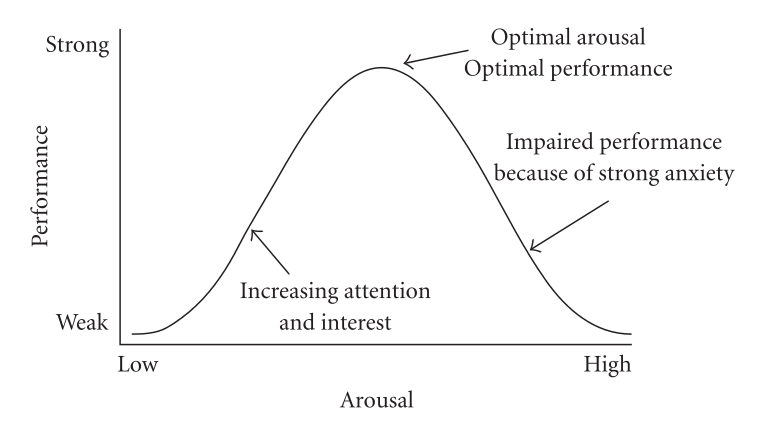
The graph on the left shows that for each type of brainwave, there’s a certain power level that works best. Kids with autism often share some things in how their brains work, but every child is different.
That’s why scientists don’t try to find one single brain pattern that means “autism.” There isn’t one. Instead, they look for certain features in brain scans that have been linked to specific behaviours. There are thousands of studies connecting too much or too little brainwave activity in different brain areas to things like trouble paying attention, learning problems, language delays, feeling sad, feeling anxious, OCD, ODD, and other behaviour issues.
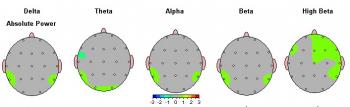
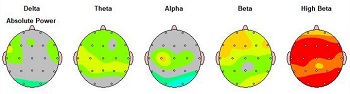
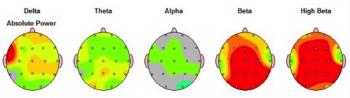
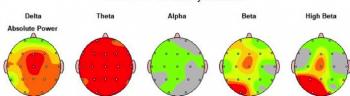
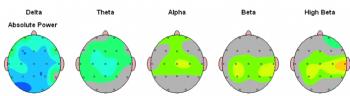
The brain maps below show how a child’s brain activity is different from what’s normal. Grey and the colours right next to it mean the brain activity is normal. Cooler blue colours show less activity than normal, and warmer red colours show more activity than normal. We’re keeping things simple here and only showing power levels for groups of brainwaves. In real research, scientists also look at single brainwaves, how different parts of the brain work together, and how the left and right or front and back of the brain compare. All this helps us understand how the brain is working. The first brain map shows a child without any disorders, and the next four maps show how different the brains of kids with autism can look.
The maps can help clinicians target specific patterns with neurofeedback, and can be used to measure effectiveness of therapy over time.
Neurotherapy for attention deficits in ASD
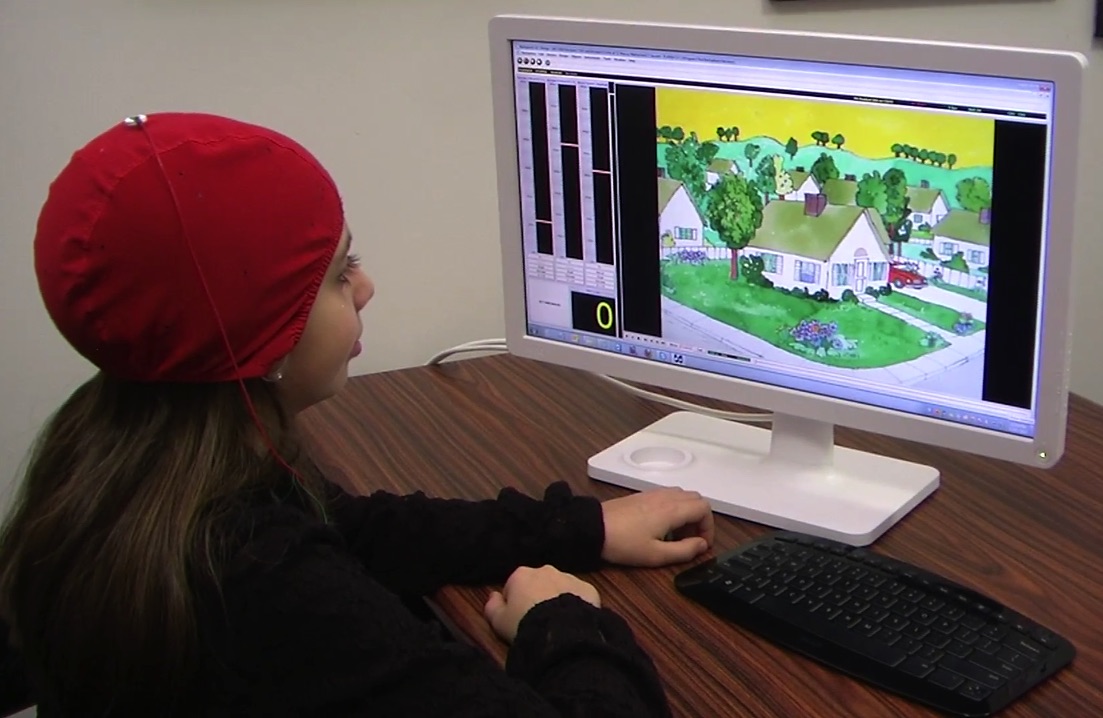
- Neurotherapy works a bit like a video game for your brain. The idea is simple: when you do something right, you get a reward, so your brain wants to keep doing it.
During a session, a small sensor goes on your head, right where they want your brain to get better at something. This sensor reads your brain’s activity and sends the info to a computer. The computer looks at specific brainwaves — some that they want more of, and some they want less of. These brainwaves show up as bars on a chart.
If your brainwaves meet the right levels (for example, the slow waves are low and the fast waves are high), you get a reward. That reward might be a video playing normally, PACMAN moving, or getting to fire lasers in a game.
Basically, every time your brain does what they want, you get a little prize. Over time, your brain learns to do it more often, just like practising anything else.
Click here for a list of scientific references about QEEG and ASD
Click here for a list of scientific references about Neurofeedback and ASD
Click here for a list of scientific references about Neurofeedback and ADHD